
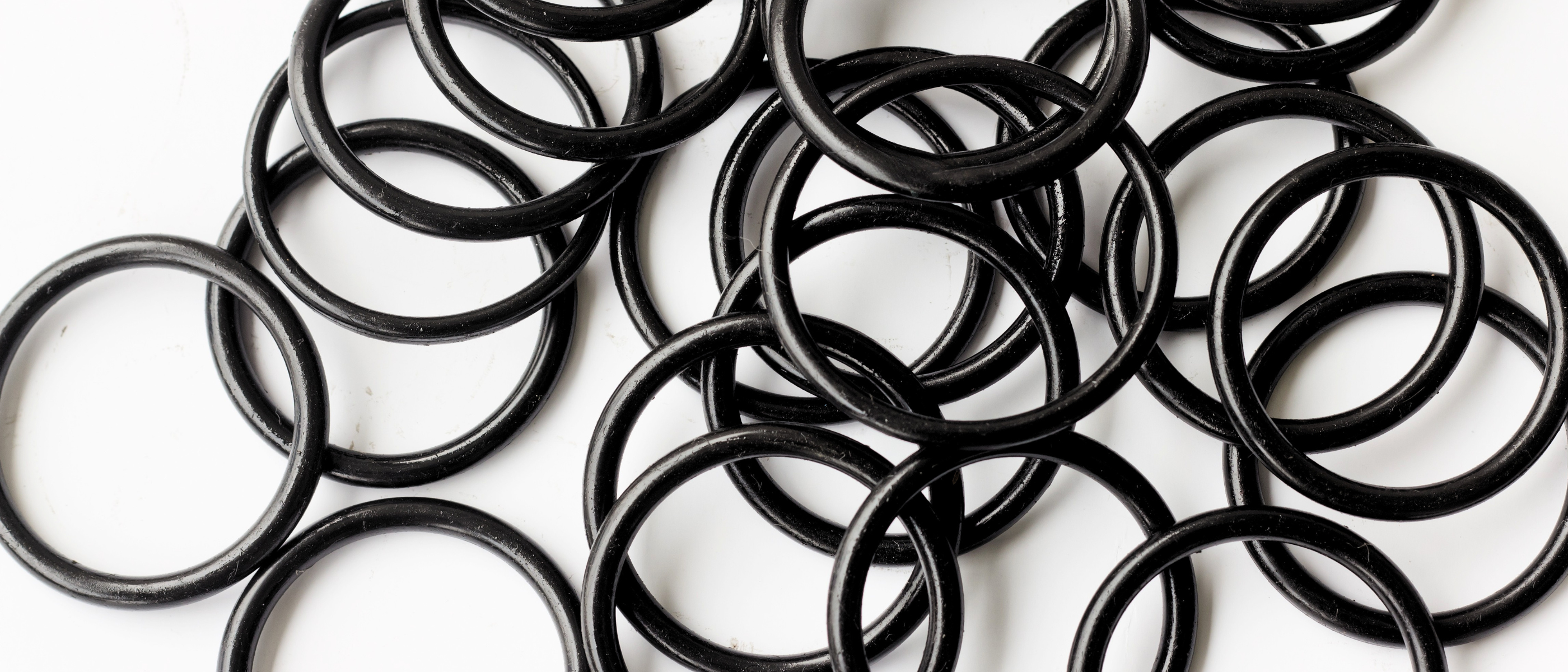
Across automotive and transportation applications, seals must perform reliably through repetitive motion, tight packaging, and demanding duty cycles. Silicone and other elastomeric seals are valued for flexibility and thermal stability, but high surface friction can accelerate wear, increase noise, and eventually compromise sealing performance.
For OEMs and Tier 1 suppliers, the challenge is not simply how to lower friction at installation. The goal is to maintain a low-friction interface over the service life of the component without adding process complexity, changing the bulk material, or redesigning the part.
This post explains why friction matters in rubber and silicone seals, compares common friction-reduction methods, and outlines when permanent surface modification may be worth evaluating.
Automotive silicone seal friction can be reduced through material changes, lubricants, low-friction coatings, geometry changes, or permanent surface modification. The best approach depends on the seal material, mating surface, contact pressure, movement, operating environment, and whether the manufacturer can change the material or part design.
Why Friction Matters in Automotive Silicone Seals
At the seal interface, repeated sliding or movement creates resistance. In a high-volume automotive platform, even small increases in friction can become meaningful over repeated cycles. Excessive friction can contribute to:
-
Accelerated wear: Faster surface damage and early component failure.
-
Seal degradation: Loss of sealing performance can increase the risk of leaks.
-
NVH issues: Friction-related noise can contribute to noise, vibration, and harshness concerns.
-
Inconsistent operation: Higher friction can increase the force required to move or assemble the component.
-
Higher lifecycle costs: Premature failures can increase field returns and warranty exposure.
As OEMs push toward more compact designs and complex packaging, seals must perform reliably in smaller spaces, at higher contact pressures, and through more aggressive duty cycles.
Coefficient of friction is only one part of the equation. Contact pressure, the condition of the mating surface, the type and frequency of movement, temperature and environmental exposure, and part geometry all interact to determine actual wear life.
For that reason, friction-reduction methods are best evaluated against the complete application rather than a single coefficient-of-friction value.
Common Methods to Reduce Friction and Extend Wear Life
When engineers explore ways to reduce friction in rubber and silicone seals, they typically evaluate several solutions.
Material or compound changes
Switching to a different elastomer or compound can improve wear resistance. However, the change may require material requalification, new suppliers, additional testing, or higher material costs.
Lubricants
Oils and greases can lower friction initially but may migrate, contaminate the manufacturing environment, dry out, or be removed during handling and service. These factors can lead to inconsistent long-term performance.
Temporary coatings
Coatings can add targeted low-friction performance without changing the bulk material. They should be evaluated for adhesion, durability, thickness, and coverage, particularly on complex geometries.
Design and geometry changes
Changing the contact profile, compression, or geometry can reduce friction. However, this approach often requires new tooling, longer development timelines, and additional validation.
Each of these engineering levers can be effective. The right choice depends on when friction is identified, what changes the program can accommodate, and how the seal is expected to perform in service.
How Permanent Surface Modification Is Different
Permanent surface modification provides another option by altering the surface of the existing seal to reduce friction and improve wear resistance while preserving the underlying material and design.
Unlike a lubricant or an applied coating, surface modification changes the functionality of the existing elastomer surface rather than adding a separate temporary layer.
A properly engineered surface treatment can help:
- Permanently reduce coefficient of friction at the seal interface
- Deliver uniform treatment across exposed surfaces and complex geometries
- Extend wear life under repetitive motion and demanding duty cycles
- Preserve the existing material selection and part geometry
- Reduce reliance on temporary lubricants or coatings, depending on the application
Because treatment occurs after the component is formed, permanent surface modification can also provide coverage across curves, grooves, and other exposed areas that may be difficult to reach through line-of-sight application methods.
Quick reference
|
Method |
Best for |
Key tradeoff |
|
Material or compound change |
Early-stage development before tooling is locked |
May require requalification, new suppliers, or additional testing |
|
Lubricant |
Low-cost or short-term friction reduction |
Can migrate, dry out, or be removed during service |
|
Temporary coating |
Targeted friction reduction without changing the bulk material |
Adhesion, durability, and coverage require validation |
|
Design or geometry change |
A long-term fix when friction is identified early |
May require new tooling and validation if introduced later |
|
Permanent surface modification |
Reducing friction without changing the underlying material or design |
Requires application-specific validation |
When to Consider a Friction-Reducing Surface Treatment
A permanent surface treatment may be worth evaluating when you are:
- Experiencing premature wear or friction-related seal failures
- Addressing warranty or durability issues tied to seal performance
- Seeing inconsistent results from a lubricant or temporary coating
- Designing for tighter tolerances, higher contact pressure, or more compact packaging
- Seeking improved surface performance without changing the material formulation or part geometry
As with any material technology, performance should be evaluated under conditions that reflect the intended application. Seal material, geometry, load, temperature, mating surface, movement, and environmental exposure can all influence the result.
Application-specific testing is the best way to determine whether a friction-reduction method will meet program requirements.
ModyGlide™: Permanent Surface Modification for Elastomers
When surface friction is the limiting factor, modifying the surface rather than the entire component can provide another route to improved performance.
ModyGlide™, part of Inhance Technologies' ModyFy™ surface technology portfolio, permanently modifies the surfaces of elastomeric materials such as silicone. The treatment significantly decreases coefficient of friction while preserving the material's critical bulk properties.
For automotive silicone seals, ModyGlide™ can help extend wear life, reduce reliance on temporary lubricants or coatings, and support complex component geometries without changing the underlying material formulation or part design.
To review application-specific test results and performance information, download the ModyGlide™ datasheet or contact us to discuss your application.
Frequently Asked Questions
What causes friction in automotive silicone seals?
Friction occurs wherever a seal slides or moves against another surface. The amount of friction depends on several interacting factors, including the seal material, contact pressure, mating surface, movement frequency, temperature, environmental exposure, and part geometry.
How can friction in a rubber or silicone seal be reduced without changing the material?
Options include lubricants, low-friction coatings, design adjustments, and permanent surface modification. The right approach depends on whether the manufacturer can change the part geometry, how long the friction reduction must last, and the conditions the seal will experience in service.
What is the difference between a coating and permanent surface modification?
A coating adds a separate layer to the seal surface. Permanent surface modification changes the functionality of the existing elastomer surface itself. Coatings and surface treatments should both be validated for the materials, conditions, and performance requirements of the intended application.
Can ModyGlide™ treat complex or tightly packaged seal geometries?
ModyGlide™ provides uniform treatment across exposed elastomer surfaces, including curves, grooves, and complex geometries. Application-specific testing can help determine whether the treatment will meet the requirements of a particular seal design.